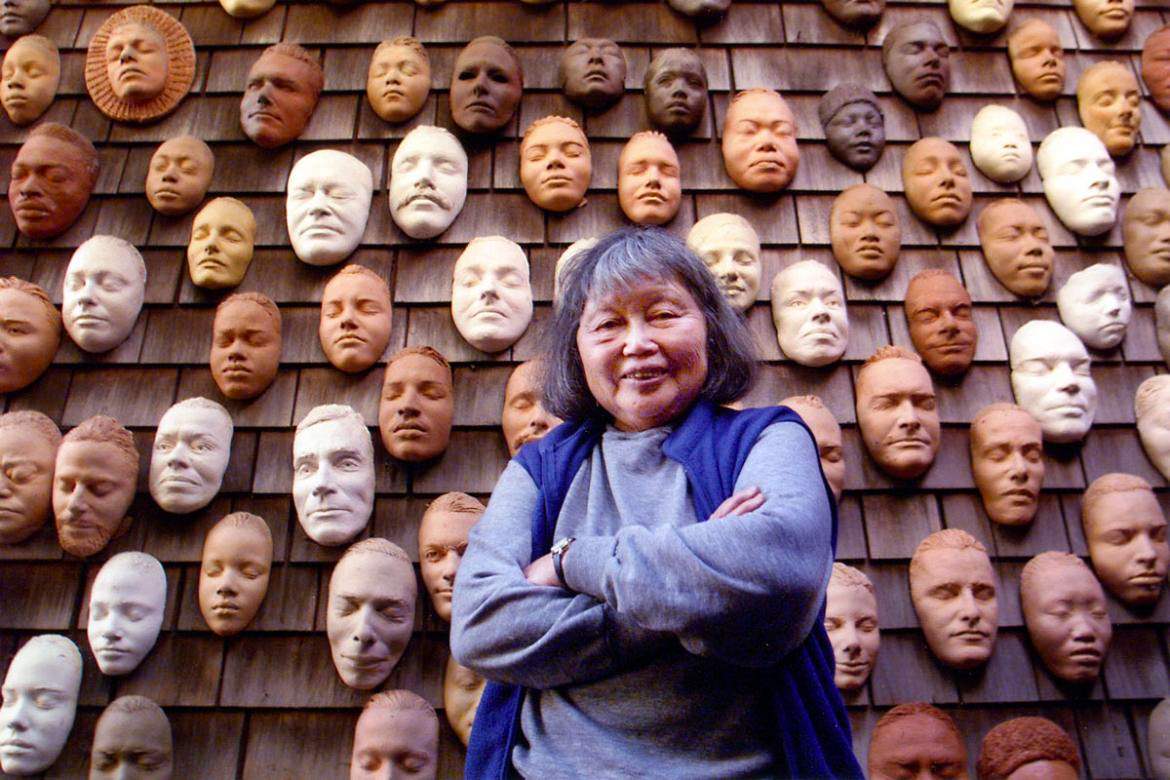
The Faces Of Ruth Asawa
From the mid-1960s through 2000, Asawa created hundreds of individual face masks out of clay. With the Cantor's Asian American Art Initiative, this wall of 233 masks becomes a permanent part of their collection.
Free

From the mid-1960s through 2000, Asawa created hundreds of individual face masks out of clay. With the Cantor's Asian American Art Initiative, this wall of 233 masks becomes a permanent part of their collection.
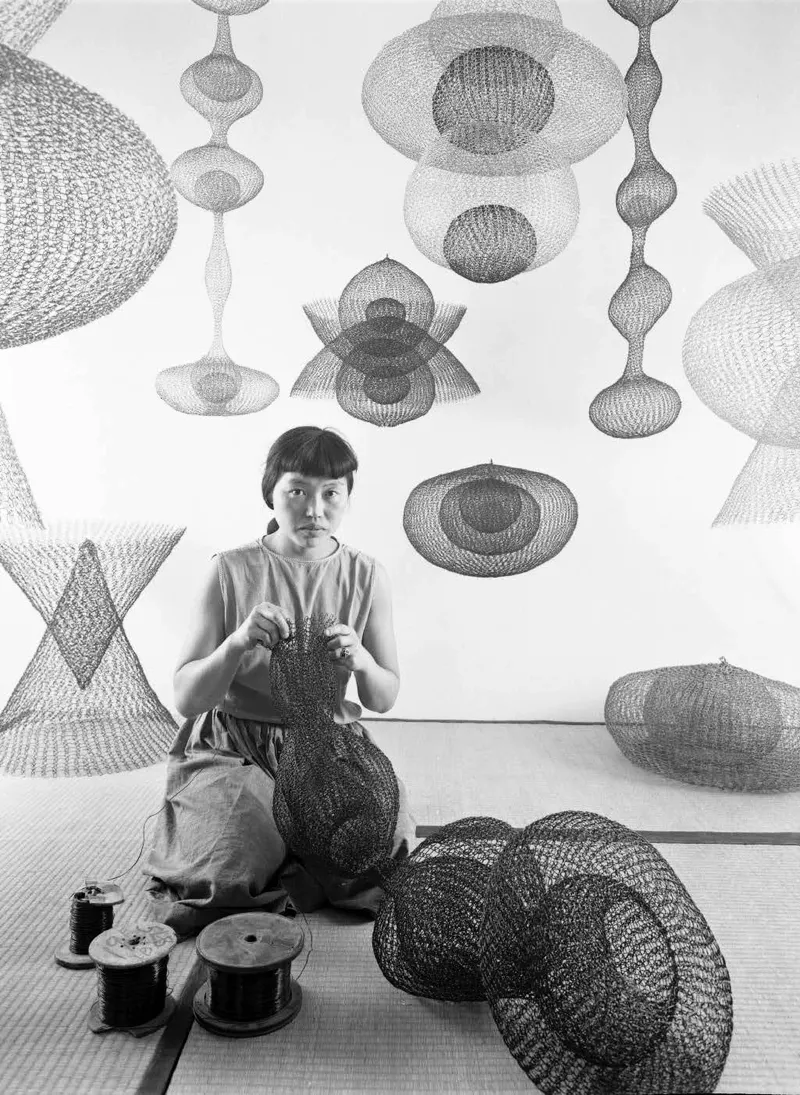
While the appreciation of Asawa’s work has grown exponentially in the last decade, this retrospective is the first major museum exhibition to fully consider every aspect of the artist’s exquisite, varied, and groundbreaking practice.
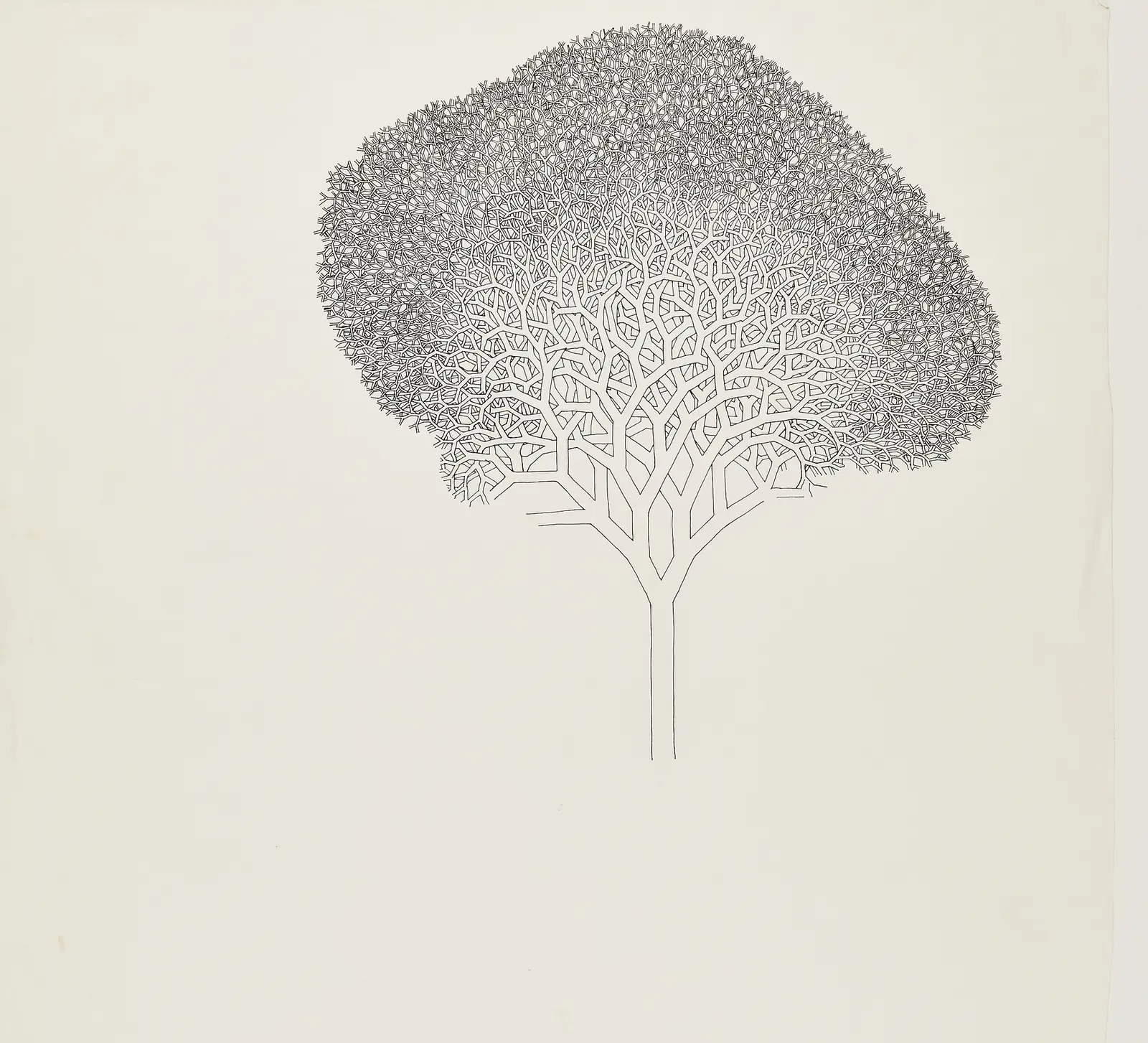
The selection of work on view illustrates Asawa’s exploration of a familiar motif in different materials including wire, paper, plaster, metallic foil, tin, fabric, and more.
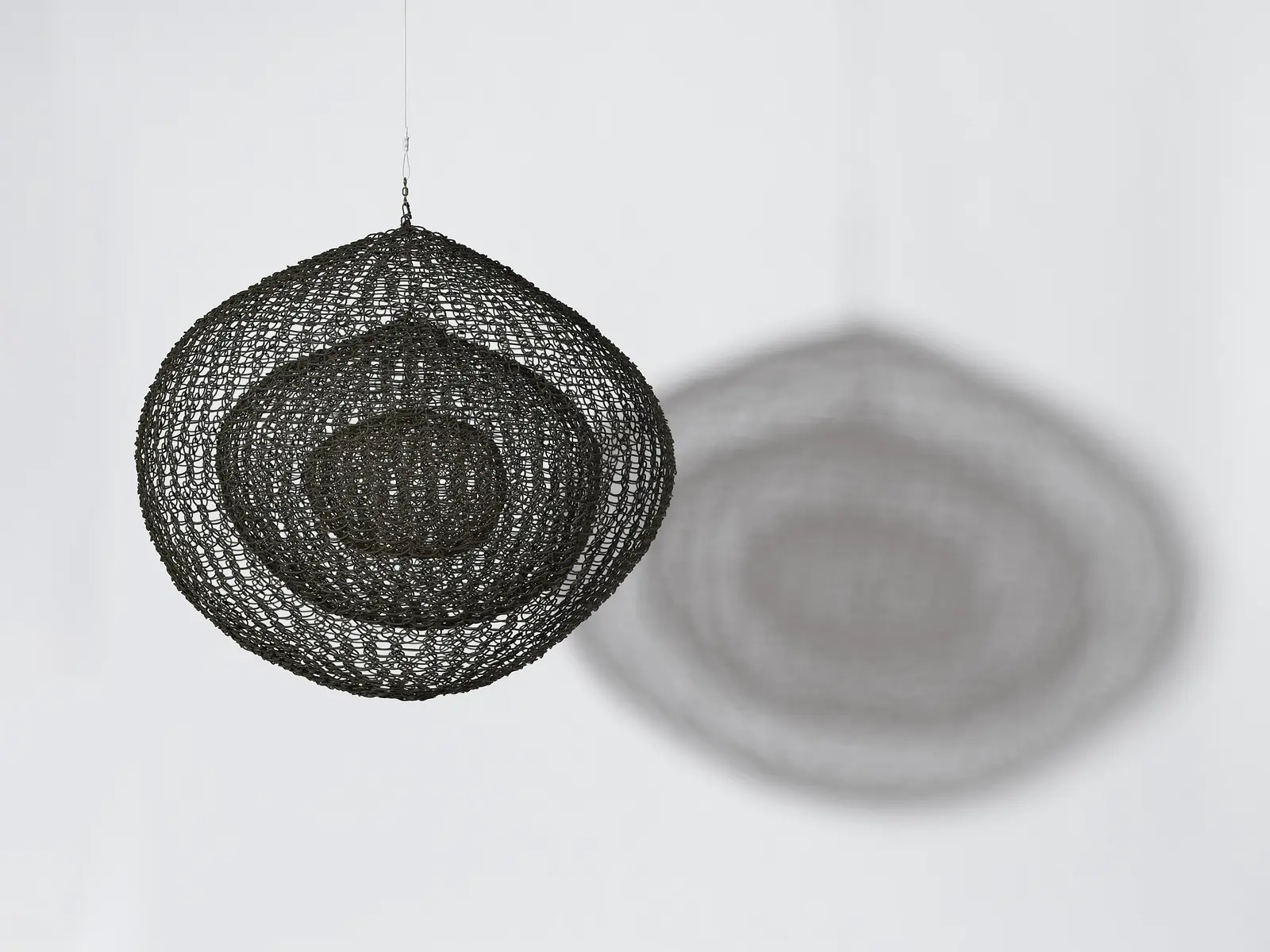
The New Mexico Museum of Art is pleased to present Reclaiming the Future: The Legacy of Japanese American Incarceration, a major exhibition bringing together ten Japanese and Japanese American artists whose work engages the enduring legacies of wartime incarceration, migration, memory, and place.
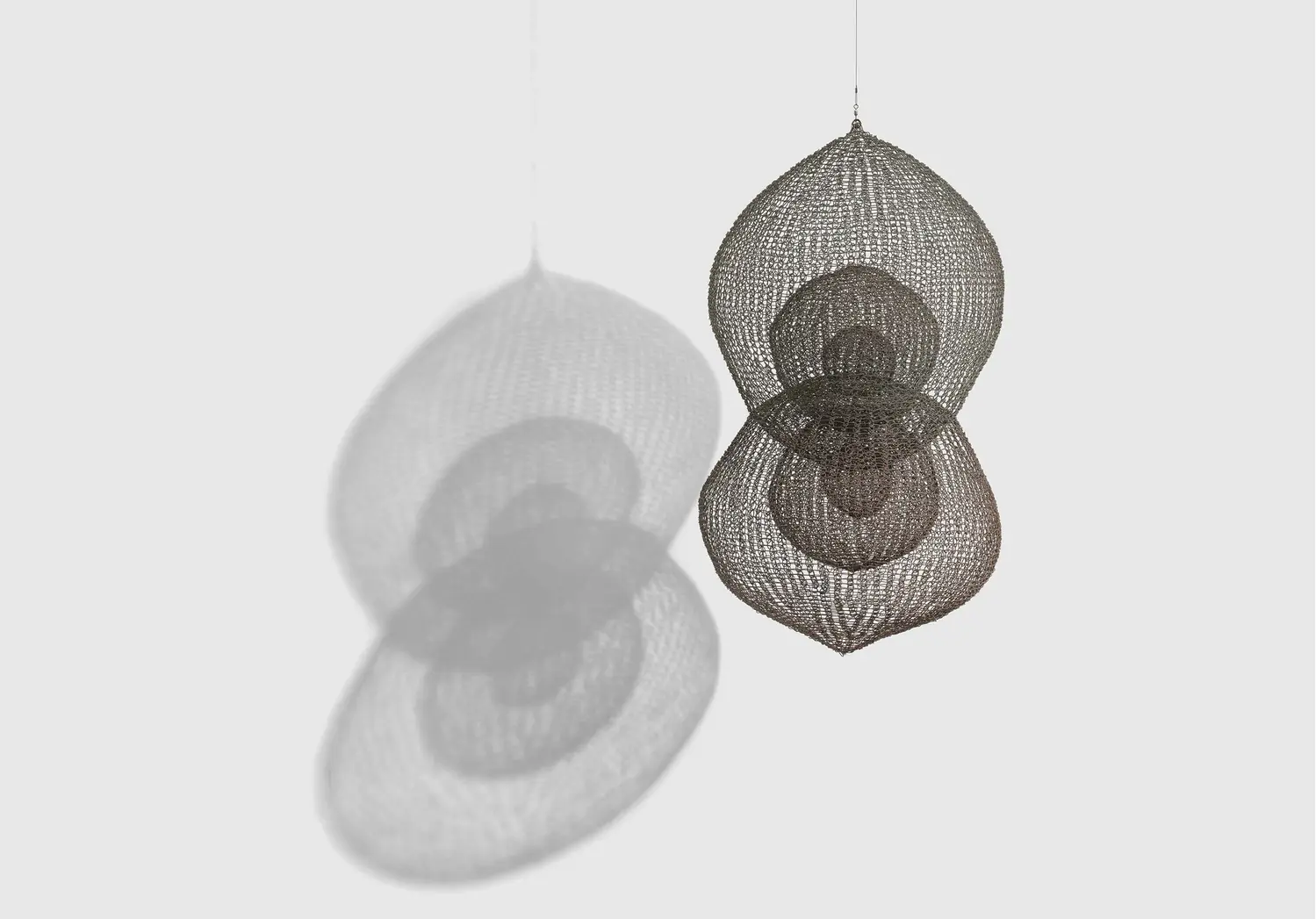
Six Japanese American artists shaped the look of modern America.
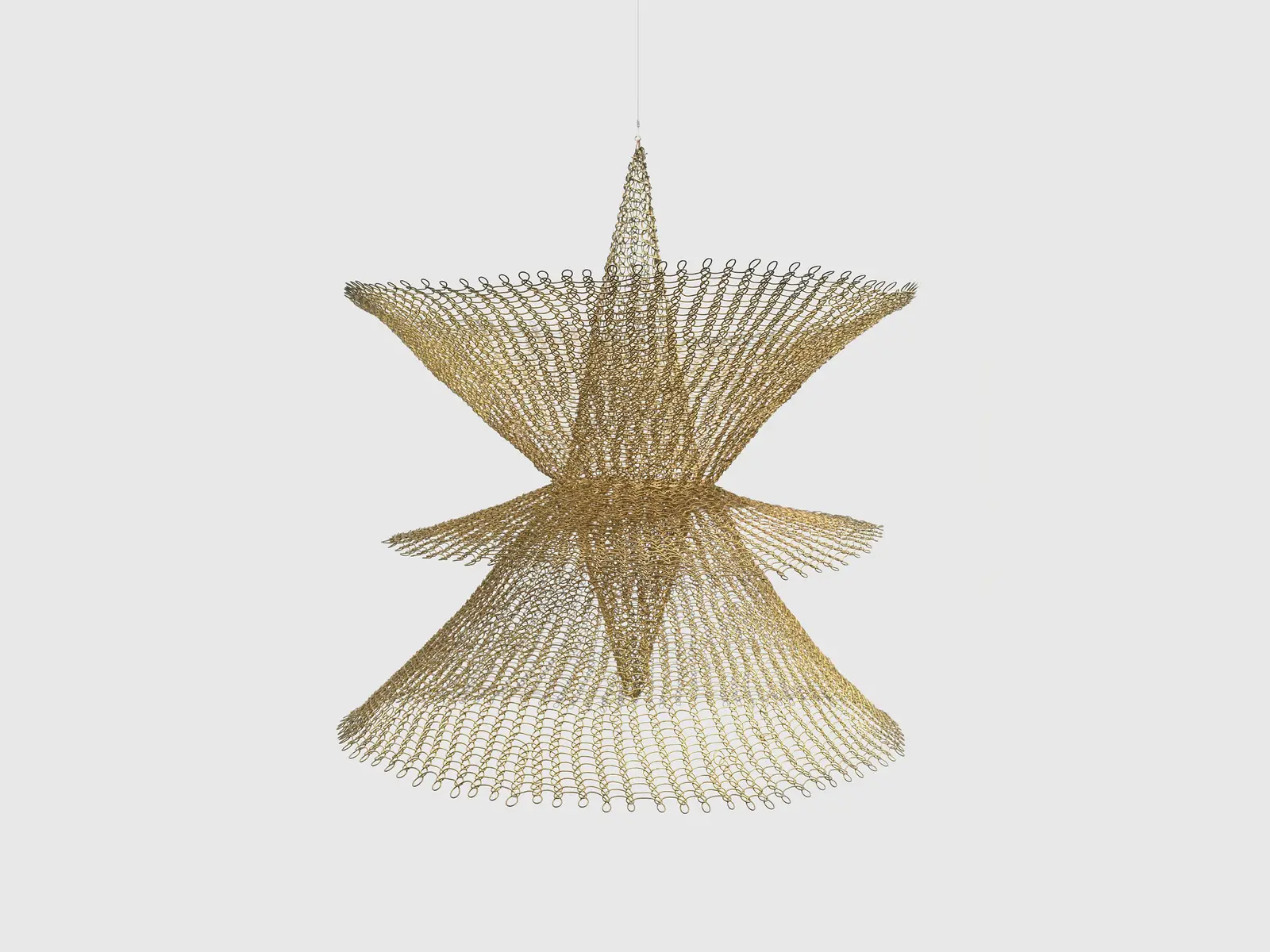
This collection investigates art-making as rooted in notions of home and belonging for artists across diverse backgrounds and generations, bringing together five female-identifying artists who work across multiple mediums, including installation, photography, and sculpture.
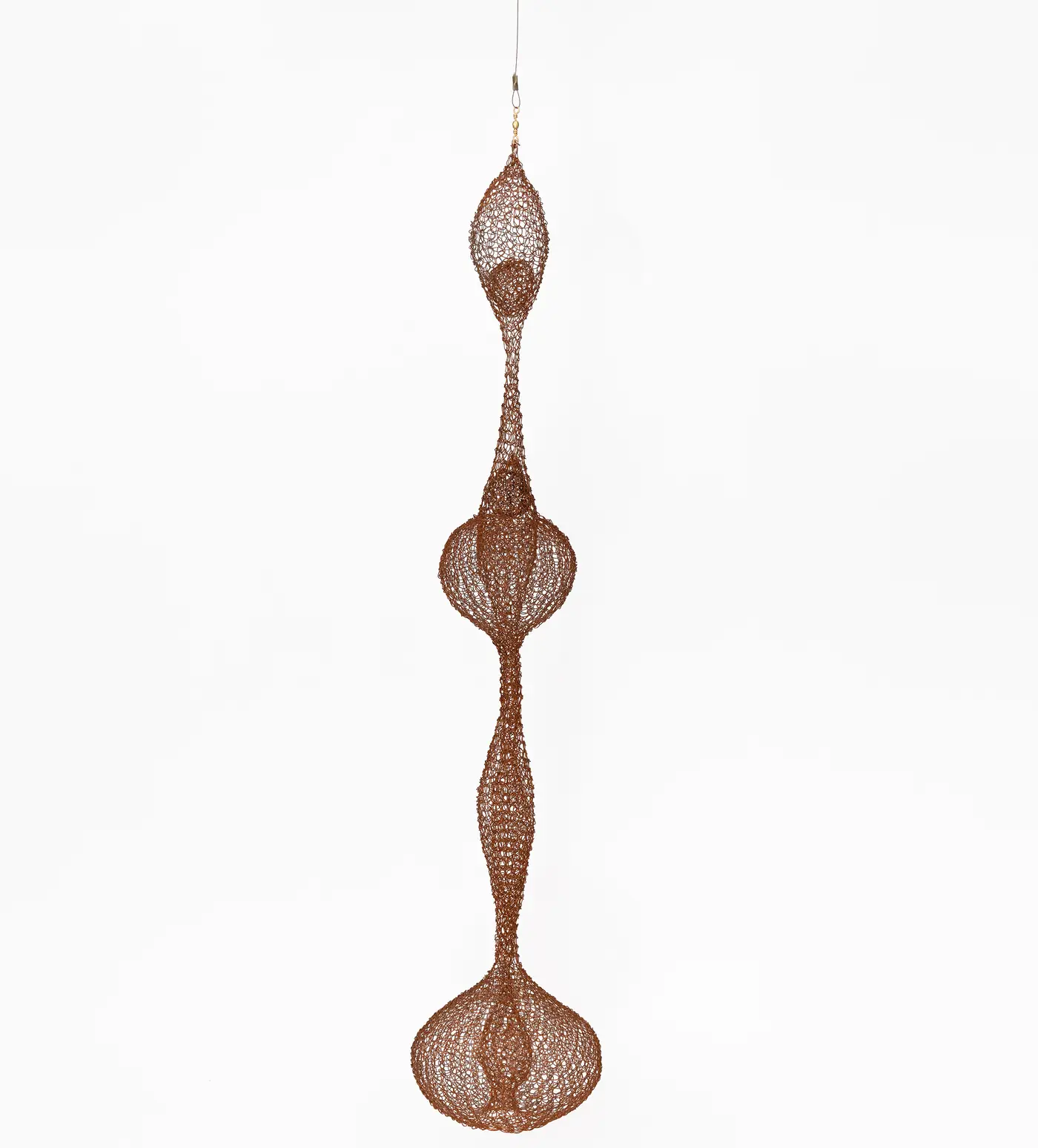
This exhibition brings together twenty life cast masks of Asawa’s family members along with their favorite Asawa artwork and a description of why they chose it. The selections range from the playful and unexpected--including a surfboard, jewelry, and a giant Celastic head--to rarely seen sketchbooks, paintings, and wire sculptures, offering a glimpse into the many ways Asawa’s work continues to resonate with those closest to her.
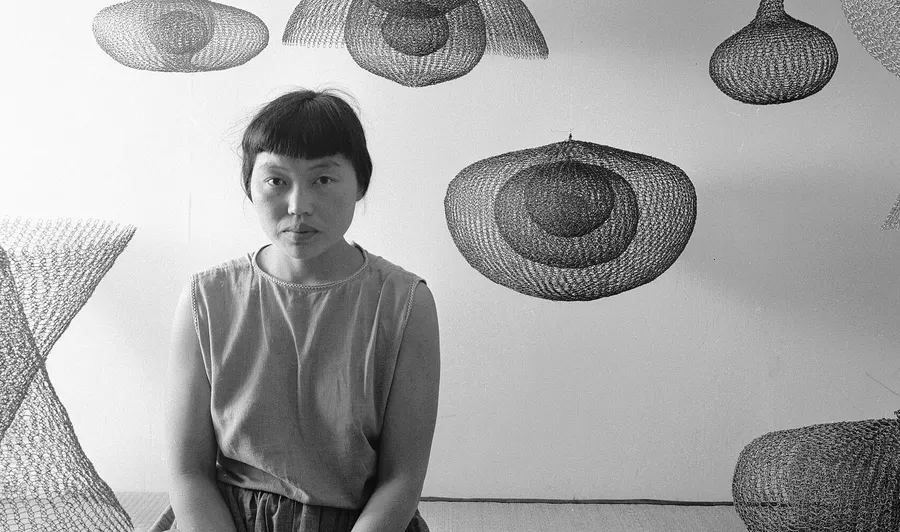
The first European retrospective dedicated to Ruth Asawa (1926–2013), the influential American artist of Japanese descent, offers an extraordinary opportunity to experience the ways in which Asawa transformed the simplest of materials into fascinating object, blurring the boundaries between abstraction and figuration, art and craft, action and contemplation.